Easy At-Home Tests to Check for Hidden Water Leaks
Water leaks are one of the most common yet overlooked problems in homes. Even minor leaks can cause significant damage over time, including higher water bills, structural deterioration, and mold growth. Detecting leaks early is critical for preventing these issues and maintaining a safe, efficient home. While some leaks are easy to spot, many remain hidden behind walls, under floors, or within plumbing fixtures that are not regularly inspected.
Understanding how to identify hidden water leaks before they escalate is an essential skill for homeowners. While professional inspections are invaluable, there are also simple at-home tests that can help detect leaks early. Knowing when to call a plumbing company ensures that issues are addressed properly before they cause serious damage. This guide outlines practical methods for checking hidden water leaks, signs to watch for, and steps to take when a leak is discovered.
Water Meter Observation
Monitoring your water meter is one of the most straightforward ways to detect hidden leaks. This method allows homeowners to identify slow leaks that may not produce visible signs, such as dripping faucets or puddles. Begin by ensuring that all water-consuming devices—faucets, washing machines, dishwashers—are turned off. Record the current reading on your water meter carefully.
After several hours, or ideally overnight, check the meter again. If the reading has changed despite no water use, this could indicate a hidden leak somewhere in your plumbing system. Even small leaks can waste dozens of gallons of water over time, making early detection crucial. Combining water meter observations with other at-home tests increases the likelihood of identifying leaks accurately. If your meter indicates unusual water flow, calling a plumbing company can help locate and repair the source efficiently, saving both water and money.
Toilet Inspection
Toilets are among the most common sources of hidden water leaks in homes. Even a minor leak in the tank or bowl can waste hundreds of gallons of water per month without being noticed. According to PAPUC, a simple method to detect leaks is to place a drop of food coloring in the toilet tank. If any color appears in the bowl after 10 minutes, this confirms a leak.
This test is easy, inexpensive, and effective. Common causes of leaks include worn flapper valves, cracked flush mechanisms, or improper sealing. Toilets that leak continuously may also increase water bills substantially over time. When a leak is detected, a licensed plumbing company can repair or replace the faulty components, ensuring the toilet operates efficiently. Regularly testing toilets is a preventive measure that helps avoid unnecessary water waste and costly repairs.
Faucet and Shower Tests
Faucets and showerheads are additional points where hidden leaks may occur. Leaks can develop internally, behind handles or within cartridge assemblies, and often go unnoticed. To check for leaks, turn off each faucet completely and inspect for any drips. Examine surrounding areas, such as under sinks or around shower bases, for discoloration, water stains, or moisture accumulation.
For a more precise test, place a dry container beneath a faucet or showerhead and check periodically over several hours. Even a slow drip will accumulate, making the leak easier to detect. Leaks that persist despite normal fixture use should be evaluated by a plumbing company, as they may indicate worn seals, damaged cartridges, or more serious issues within the plumbing system.
Pipe and Appliance Examination
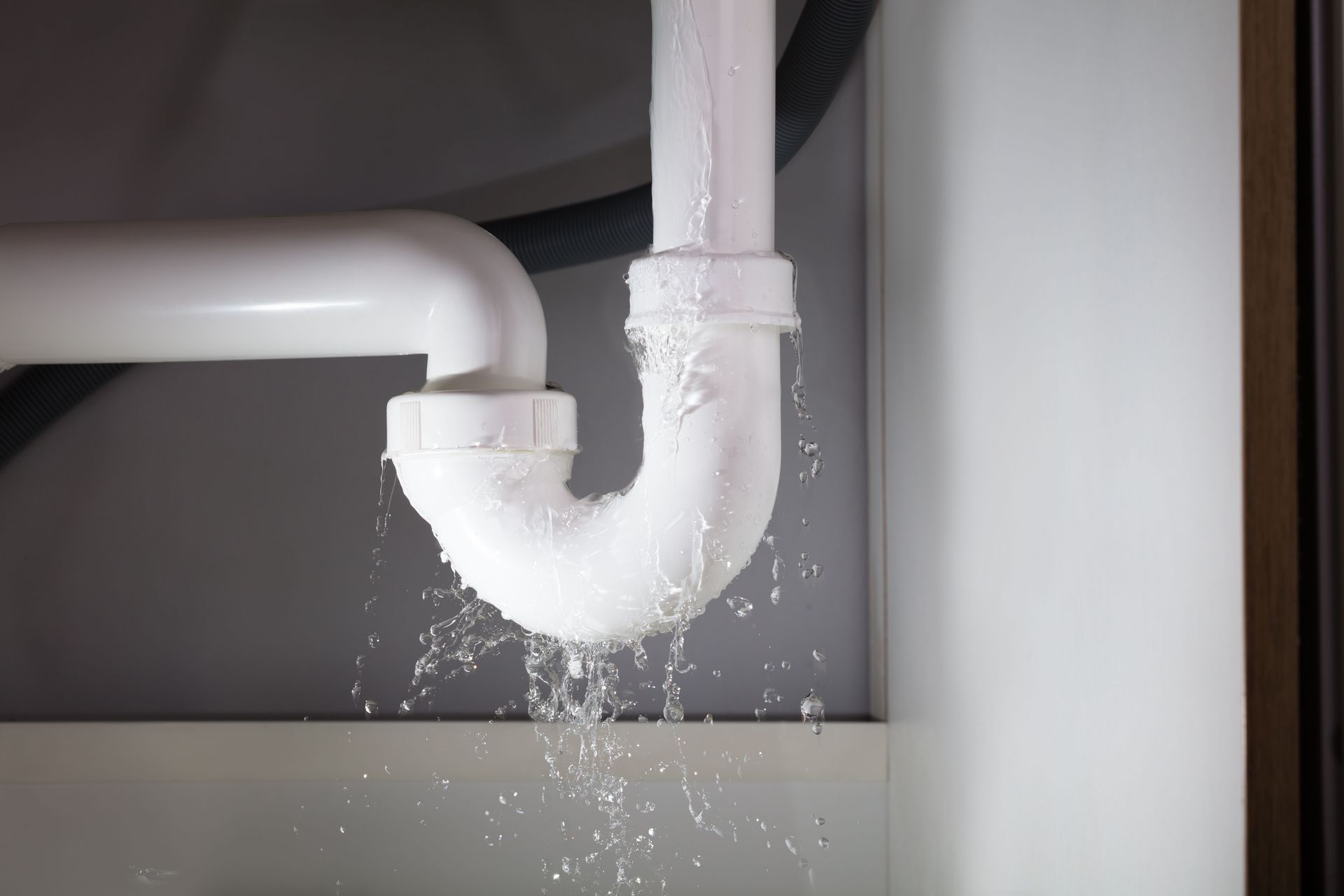
Hidden leaks can also occur within walls, under floors, or around household appliances such as washing machines, dishwashers, and water heaters. Begin with a visual inspection, looking for damp spots, discoloration, or warped surfaces. Listen for unusual sounds, including dripping, hissing, or running water when no fixtures are in use.
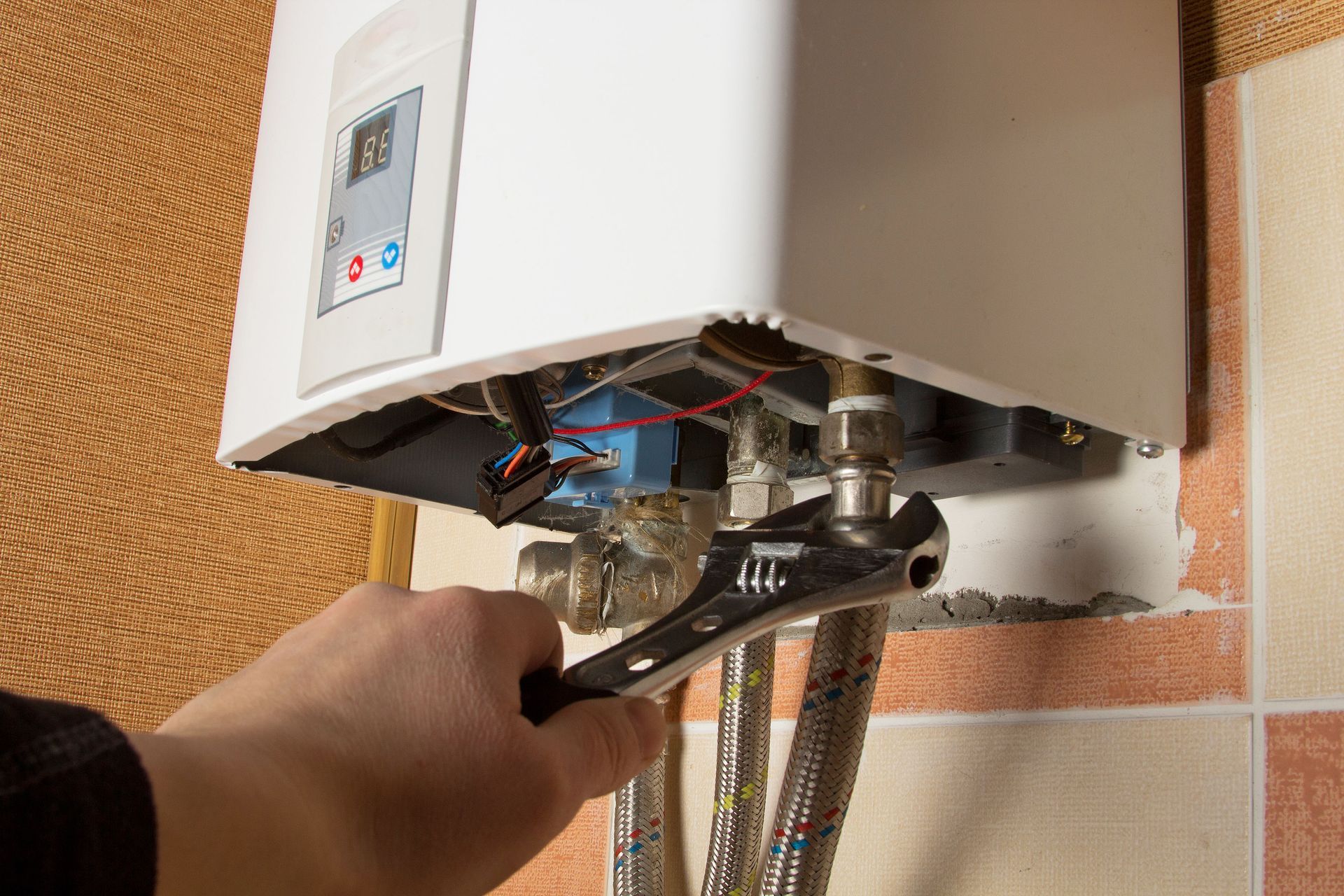
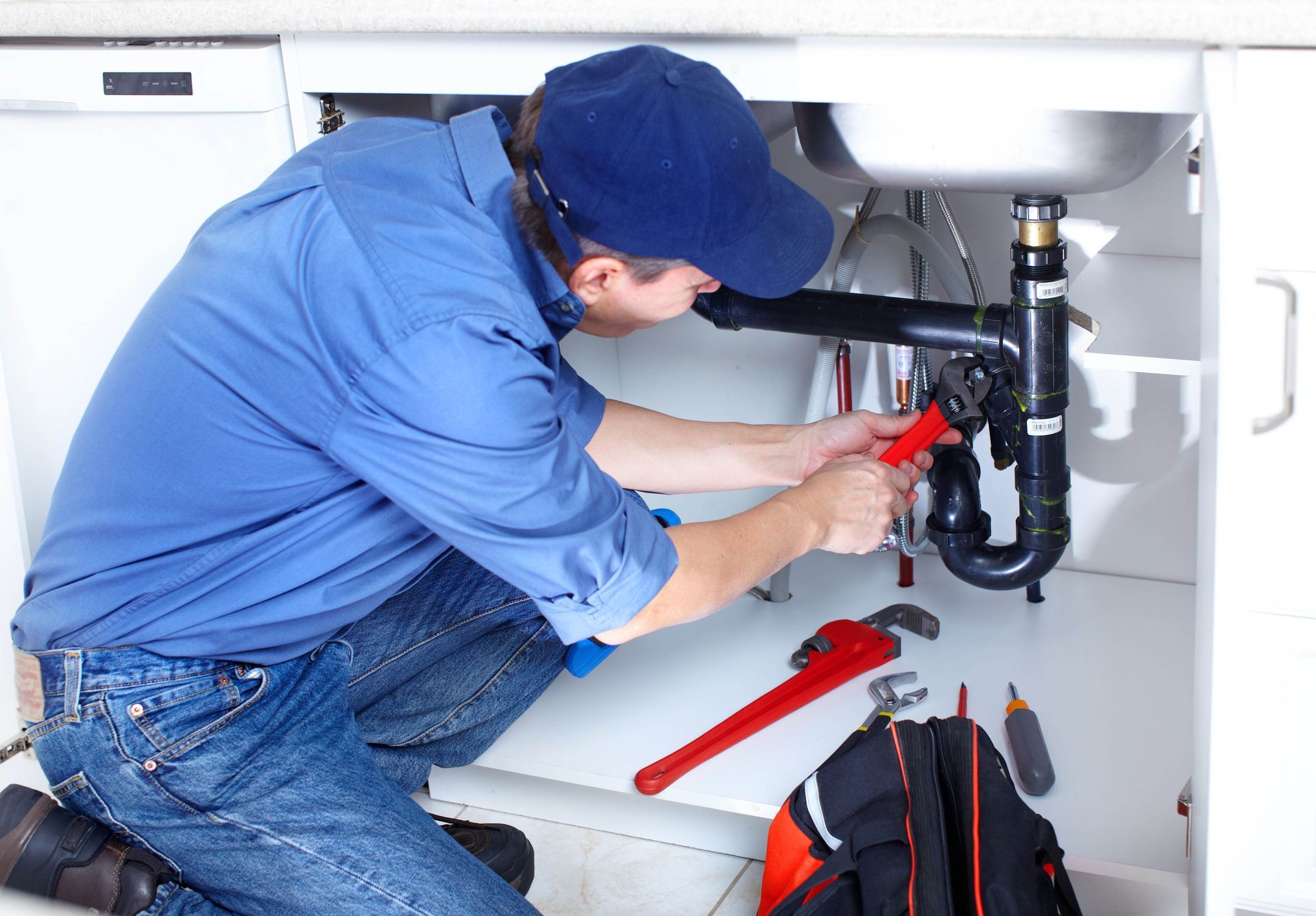
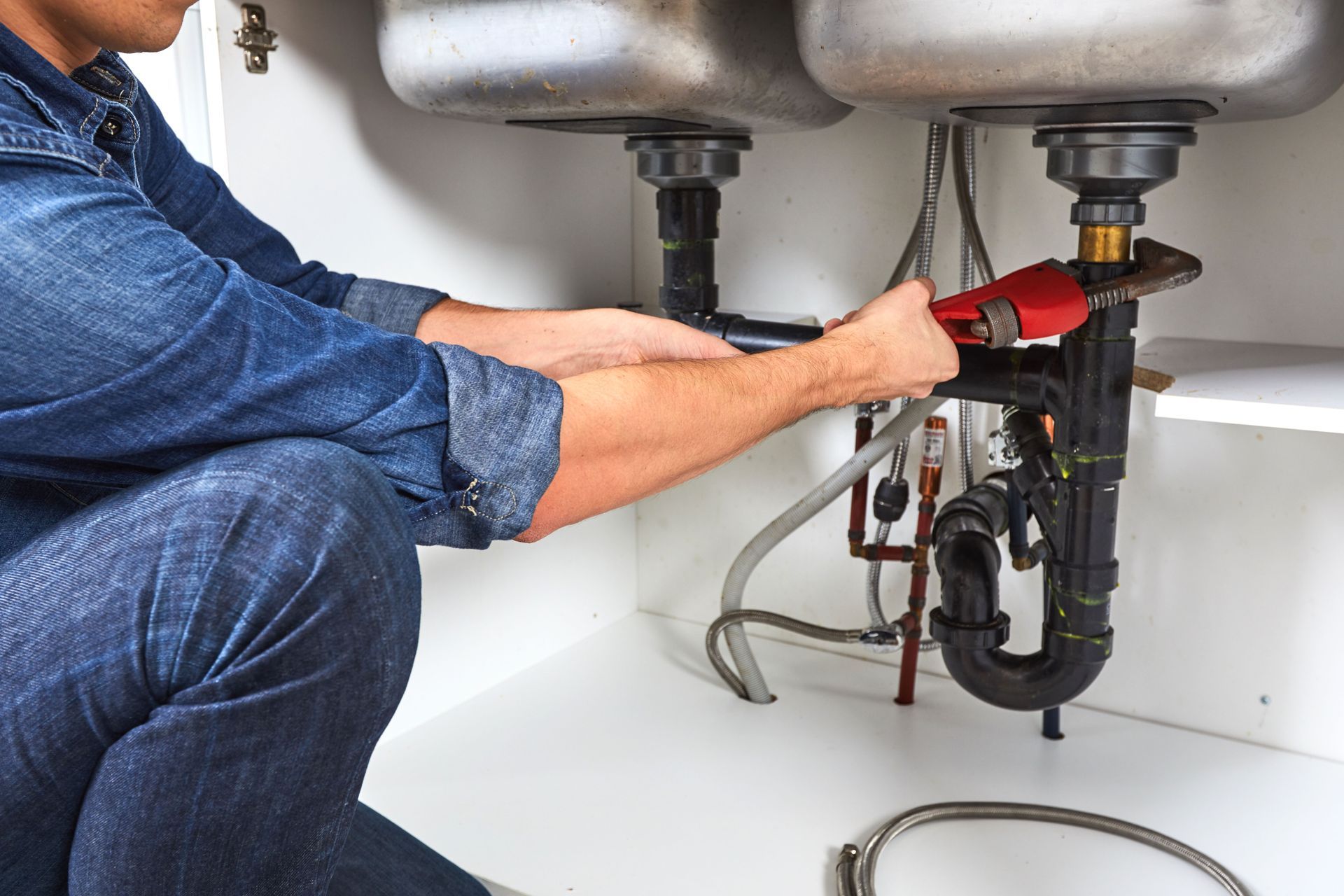
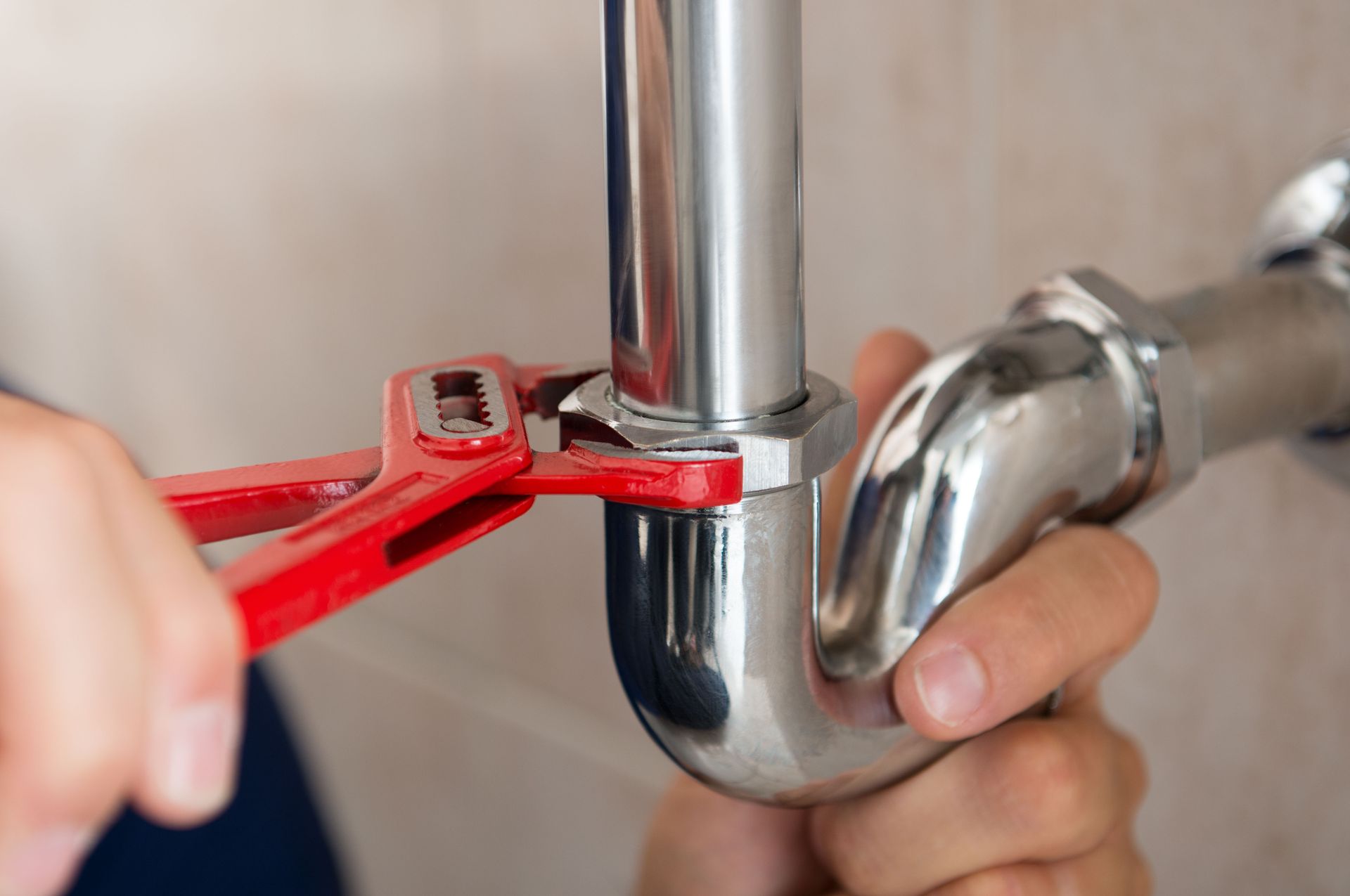
Appliance connections should be inspected carefully. Loose fittings, corroded pipes, or worn hoses can cause hidden leaks that go unnoticed for months. Even a small leak behind a washing machine can cause significant water damage if left unaddressed. If you suspect a leak in hidden pipes or appliance connections, it's important to contact a plumber. Professionals use tools like thermal cameras and moisture meters to detect leaks invisible to the naked eye, ensuring accurate diagnosis and repair.
Water Pressure Monitoring
Fluctuations in water pressure can indicate hidden leaks. A sudden drop in pressure, particularly when no water is being used, may signal a compromised pipe. Conversely, abnormally high pressure can strain plumbing fixtures and increase the likelihood of leaks. Using a pressure gauge attached to a hose bib or water system allows you to monitor pressure over time.
Tracking water pressure in conjunction with other at-home tests provides a more comprehensive picture of your plumbing system. Consistent deviations from normal pressure, especially when paired with visual cues like damp walls or unexplained puddles, should prompt professional inspection. Early detection prevents larger issues and protects the integrity of your plumbing. A licensed plumbing company can evaluate the system and recommend corrective action.
Additional Visual and Sensory Indicators
Homeowners should also remain alert to visual and sensory signs of leaks. Common indicators include peeling paint, bubbling wallpaper, mildew odors, or damp spots around plumbing fixtures. Ceilings and floors may show stains, warping, or discoloration caused by unseen water.
Even subtle signs, such as a slightly soft floor or carpet dampness near sinks, toilets, or appliances, may indicate a leak. Early recognition of these indicators reduces the risk of extensive damage. When any of these signs appear, contacting a plumbing company ensures proper detection and repair, preventing minor issues from escalating into major problems.
Understanding At-Home Tests
While at-home tests are valuable tools for identifying leaks, they are not foolproof. Some leaks occur in inaccessible areas, such as inside walls or beneath concrete slabs, requiring professional equipment for detection. Advanced diagnostics, such as infrared imaging, pipe pressure testing, or specialized moisture meters, typically require a licensed plumbing company.
At-home tests are most effective as preliminary tools. By combining these simple tests with professional evaluation, homeowners can identify potential leaks early while ensuring repairs are performed correctly. This approach maximizes safety, conserves water, and prevents expensive damage to the home.
Preventative Measures and Maintenance
Routine maintenance is a critical strategy for preventing hidden leaks. Inspect pipes, fixtures, and appliances regularly, and address small issues before they escalate. Simple actions, such as tightening loose connections, replacing worn washers, and checking hoses, can prevent costly damage.
Leak detection devices and alarms are another preventative measure. Installing them near high-risk areas, including under sinks, behind water heaters, and near washing machines, provides early alerts if leaks occur. Combining these devices with the at-home tests described above allows homeowners to maintain a proactive approach. Regular maintenance, early detection, and professional support create a comprehensive system for preventing hidden leaks and conserving water.
Hidden water leaks pose serious risks to both homes and budgets. Even minor leaks can lead to high water bills, structural damage, and mold growth if left undetected. Using practical at-home tests—such as monitoring water meters, performing toilet inspections with food coloring, checking faucets and showerheads, examining pipes and appliances, and monitoring water pressure—can help homeowners detect potential problems early.
While at-home testing is valuable, professional evaluation by a licensed plumbing company is essential for complex or inaccessible leaks. Combining these methods with regular maintenance ensures the plumbing system remains safe, functional, and efficient. By acting early and addressing leaks promptly, homeowners can protect their property and minimize costs. If you suspect hidden leaks in your home or want a professional inspection to ensure your plumbing system is functioning properly, contact Maverick Plumbing for expert service and reliable solutions.



Share On: