How to Prevent Costly Water Damage With Routine Plumbing Maintenance
Water damage poses a monumental threat to buildings. A minor drip hidden behind drywall escalates into severe decay. Property owners face immense repair bills, ruined foundations, and mold growth when basic upkeep falls by the wayside. Proactive measures remain the most effective defense against such outcomes. Consistent care preserves home integrity, protects aesthetics, and averts financial ruin that accompanies major restoration projects.
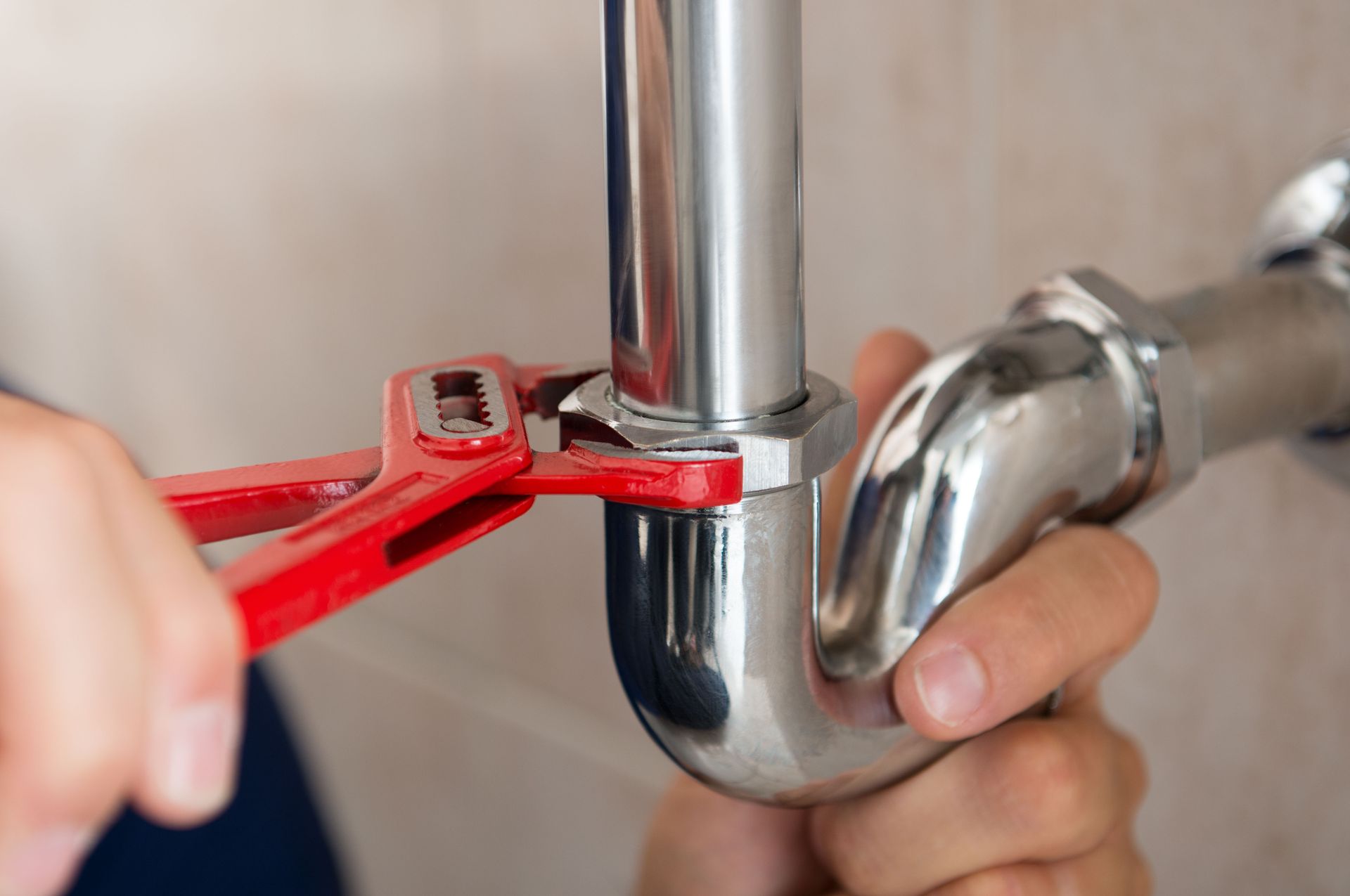
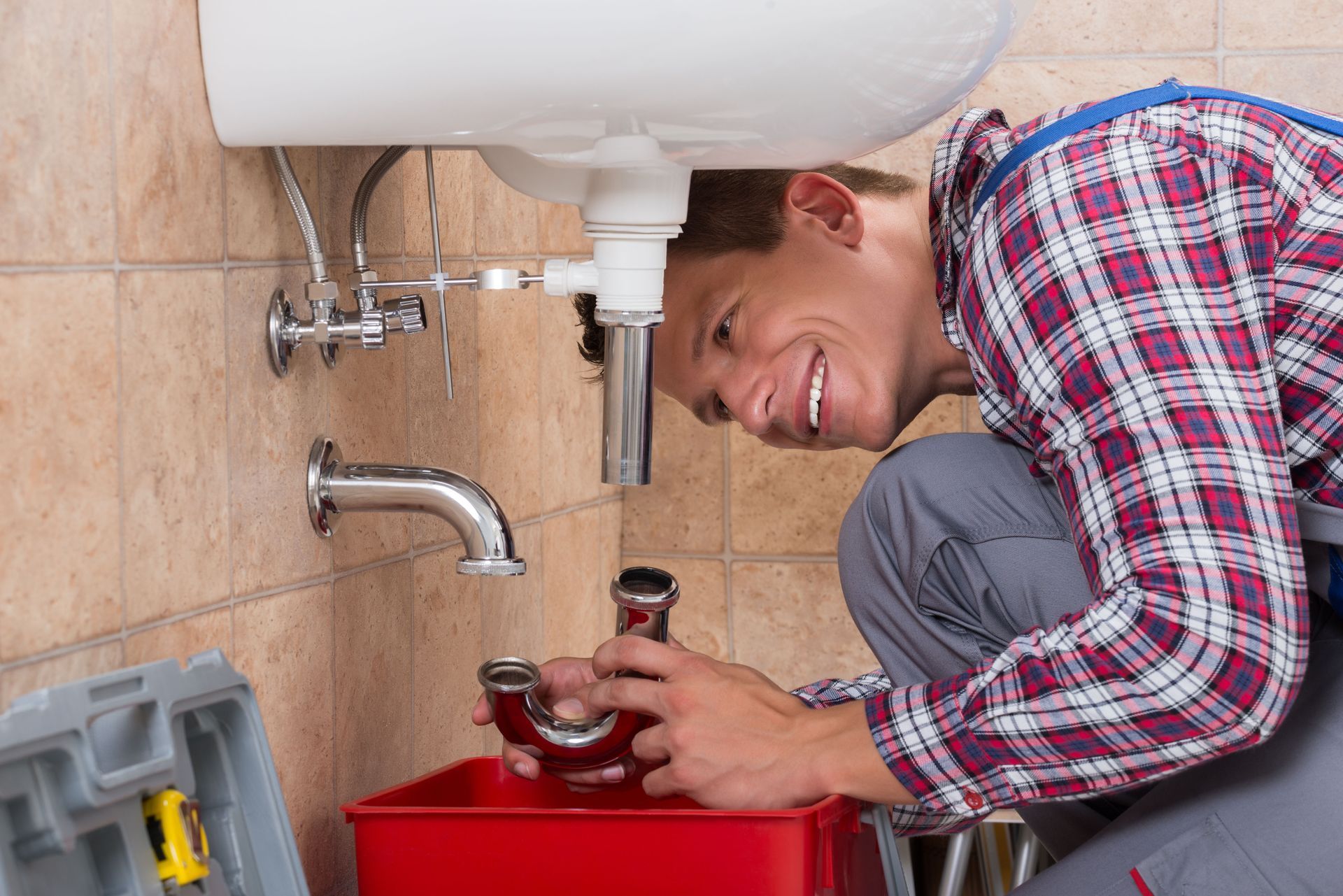
Establishing an upkeep schedule is vital for long-term preservation. Rather than waiting for pipes to burst, proactive individuals retain a reputable plumbing company to conduct comprehensive evaluations. This relationship ensures vulnerabilities receive attention before turning into disasters. Routine checkups safeguard assets and provide immense peace of mind to property owners. Through diligent care and oversight, the risk of massive intrusions drops to negligible levels.
Identifying Hidden Leaks Before Disaster Strikes
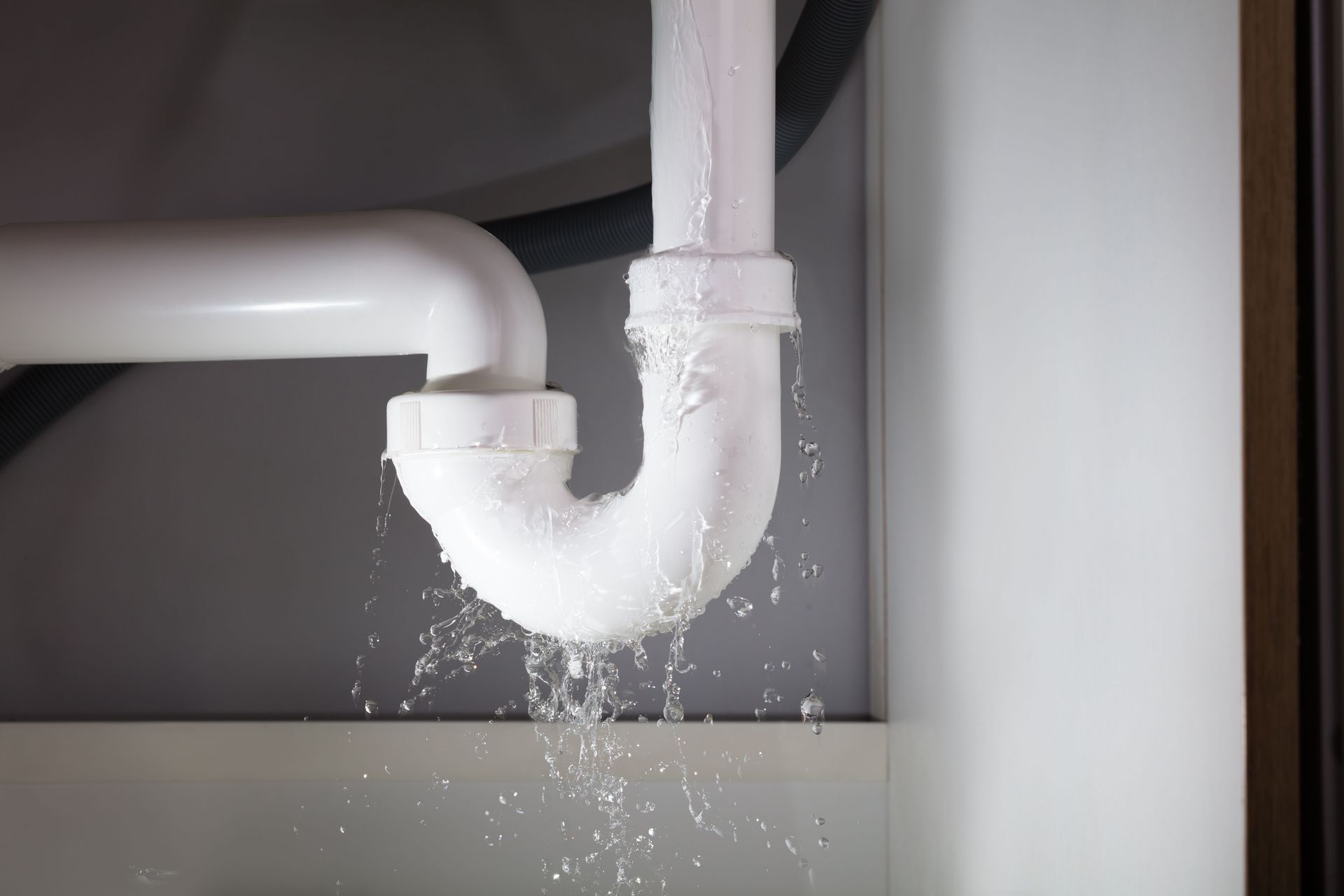
Concealed leaks act as silent destroyers within buildings. Moisture escapes from microscopic pinholes in copper lines, saturating surrounding insulation and wooden beams. Over prolonged periods, this saturation compromises load-bearing walls and destroys expensive finishing materials. Property owners might notice water stains on ceilings, which indicate advanced moisture accumulation. Early detection remains the primary method to combat these threats and protect the structural framework from unseen degradation.
Visual inspections form the foundation of proactive leak detection. Homeowners must examine cabinets beneath sinks, spaces around toilets, and exposed basement pipes for signs of corrosion. Musty odors serve as another key indicator of hidden moisture accumulation behind walls or beneath floorboards. Recognizing these subtle clues allows for prompt intervention before rot compromises the framework. Constant awareness is the best defense against silent pipe degradation.
Professional intervention becomes necessary when visual inspections fall short. Advanced diagnostic equipment allows professionals to pinpoint exact leak locations without tearing open walls. By hiring a skilled plumbing company, property owners gain access to acoustic listening devices and thermal imaging cameras. These tools detect minute temperature variations and sound frequencies associated with escaping water. Such precision prevents unnecessary demolition and ensures exact problem areas receive targeted mending.
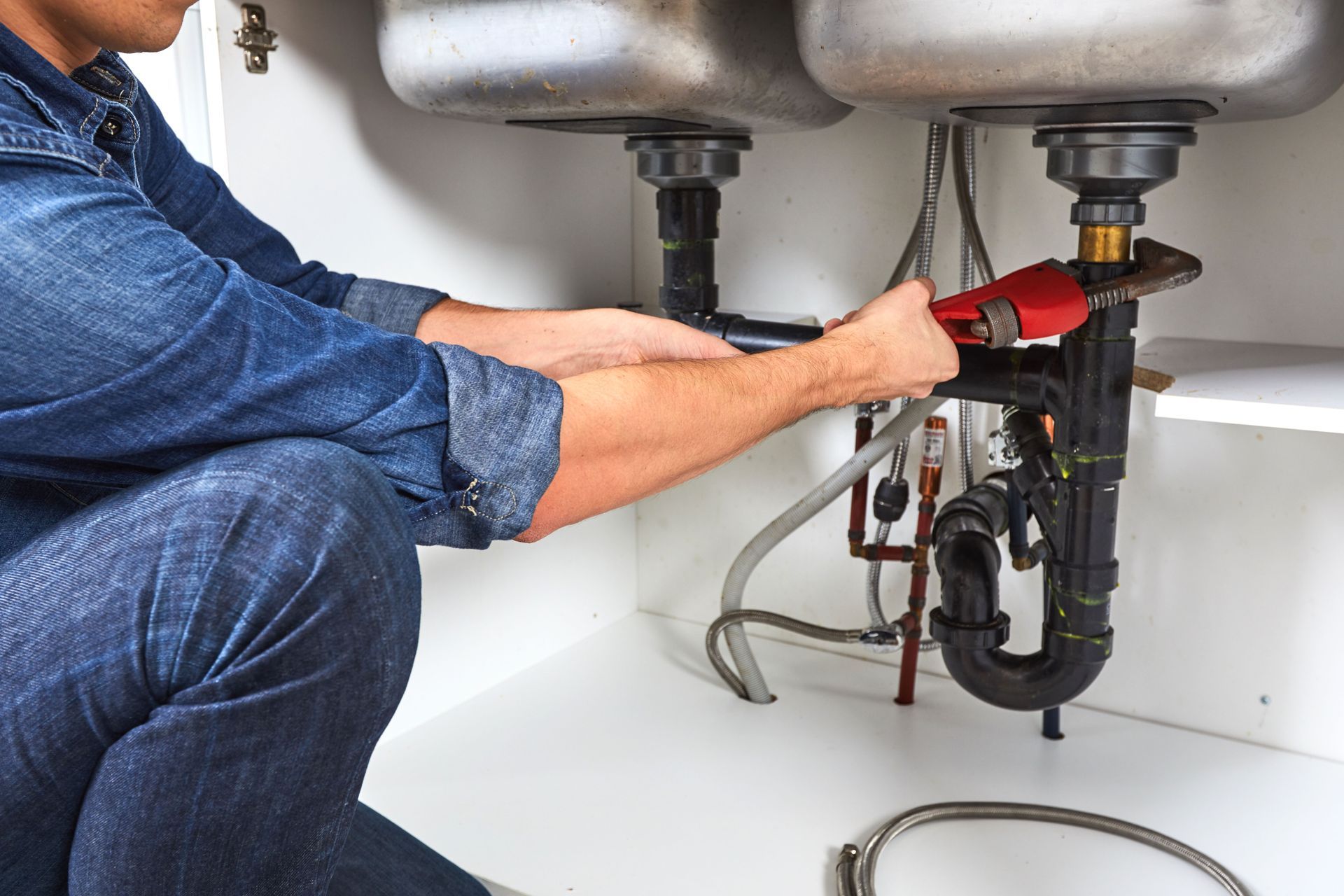
Resolving minor drips upon discovery halts the progression of moisture damage. Replacing worn washers, tightening loose fittings, and sealing compromised joints require minimal time and materials. Addressing these small defects prevents catastrophic joint failures during periods of high pressure. Proactive fixes avert the need for extensive drywall replacement and mold remediation efforts in the future. Diligence in minor repairs translates to substantial structural preservation and protects value.
Maintaining Clear Drains for Optimal Flow
Obstructed drainage systems create severe overflow risks for any property. Hair, soap scum, grease, and food particles accumulate within pipes, forming dense blockages that restrict water passage. As wastewater struggles to exit the home, pressure builds within the enclosed system. In time, the stagnant liquid reverses course and spills over into sinks, bathtubs, and floors. Such overflows cause immediate and extensive ruin to interior finishes, carpeted areas, and baseboards.
Homeowners must adopt preventative habits to keep drains functioning without interruption. Mesh screens over shower and sink openings capture debris before it enters the network. Disposing of cooking grease in solid waste bins rather than pouring it down the kitchen sink prevents thick sludge formation. Routine cleanings with hot water and baking soda help dislodge minor accumulations. Good daily habits avert major clogs and keep systems flowing.
Severe blockages require specialized attention beyond basic home remedies. Chemical cleaners cause internal pipe deterioration and offer limited relief. Instead, utilizing a professional plumbing company ensures thorough blockage removal through hydro-jetting or mechanized snaking. These methods scrub the interior pipe walls clean, restoring the original diameter and maximum flow capacity. Proper clearing techniques extend the lifespan of the entire drainage system and prevent recurring wastewater backups.
Consistent drain maintenance also prevents hazardous sewage backups. Tree roots infiltrate exterior sewer lines through small cracks, seeking moisture and nutrients. Without regular inspections, these roots expand and shatter the main line, sending raw sewage into the home interior. Clearing out these intrusions beforehand averts toxic contamination and terrible property damage. A flowing system is crucial for a safe living environment, shielding inhabitants from biohazard exposure and structural ruin.
Inspecting Pipe Integrity Against Structural Wear
Pipeline materials possess finite lifespans and succumb to wear over the years. Constant water flow, fluctuating temperatures, and chemical reactions cause internal corrosion and exterior rust. Older homes featuring galvanized steel pipes face elevated risks of sudden ruptures. As the material weakens, the capacity to contain pressurized water diminishes. Routine assessments are imperative to gauge the remaining viability of these conduits and replace them before complete failure occurs.
Temperature fluctuations induce thermal expansion and contraction within the pipe network. During freezing conditions, standing water turns to solid ice, expanding and exerting immense outward pressure on the surrounding metal or plastic. This pressure causes the material to split, resulting in catastrophic flooding upon thawing. Insulating exposed lines in unheated areas like attics and crawlspaces minimizes the risk of weather-related bursts. Proper insulation preserves pipe integrity throughout seasonal changes.
Water pressure regulation plays a vital role in overall pipe longevity. Municipal water supplies deliver water at force levels exceeding safe residential limits. High-pressure stresses joints, valves, and fixtures, accelerating deterioration and increasing blowout probabilities. Installing a pressure-reducing valve protects the internal system from municipal surges. Monitoring the pressure gauge ensures the force remains within acceptable operational boundaries, extending the functional lifespan of the structural network.
Scheduling comprehensive assessments prevents surprises related to pipe failure. According to Forbes, the expense associated with emergency plumbing services can be two to three times higher than that of a routine service call. To avoid such inflated expenses, bringing in a reliable plumbing company for yearly inspections is a wise decision. Technicians evaluate pressure levels, check for corrosion, and recommend proactive repiping for vulnerable sections. Forethought mitigates the danger of unexpected inundation and protects financial stability.
Evaluating Appliance Connections to Prevent Failure
Household appliances relying on continuous water supplies present frequent flooding hazards. Washing machines, dishwashers, refrigerators, and water heaters utilize various hoses and valves to draw and expel liquid. Over time, rubber hoses turn brittle, while plastic connectors develop hairline fractures. These hidden connections sit out of sight, meaning degradation goes unnoticed until a sudden rupture floods the surrounding floor area. Inspecting hidden components is a critical step in moisture defense.
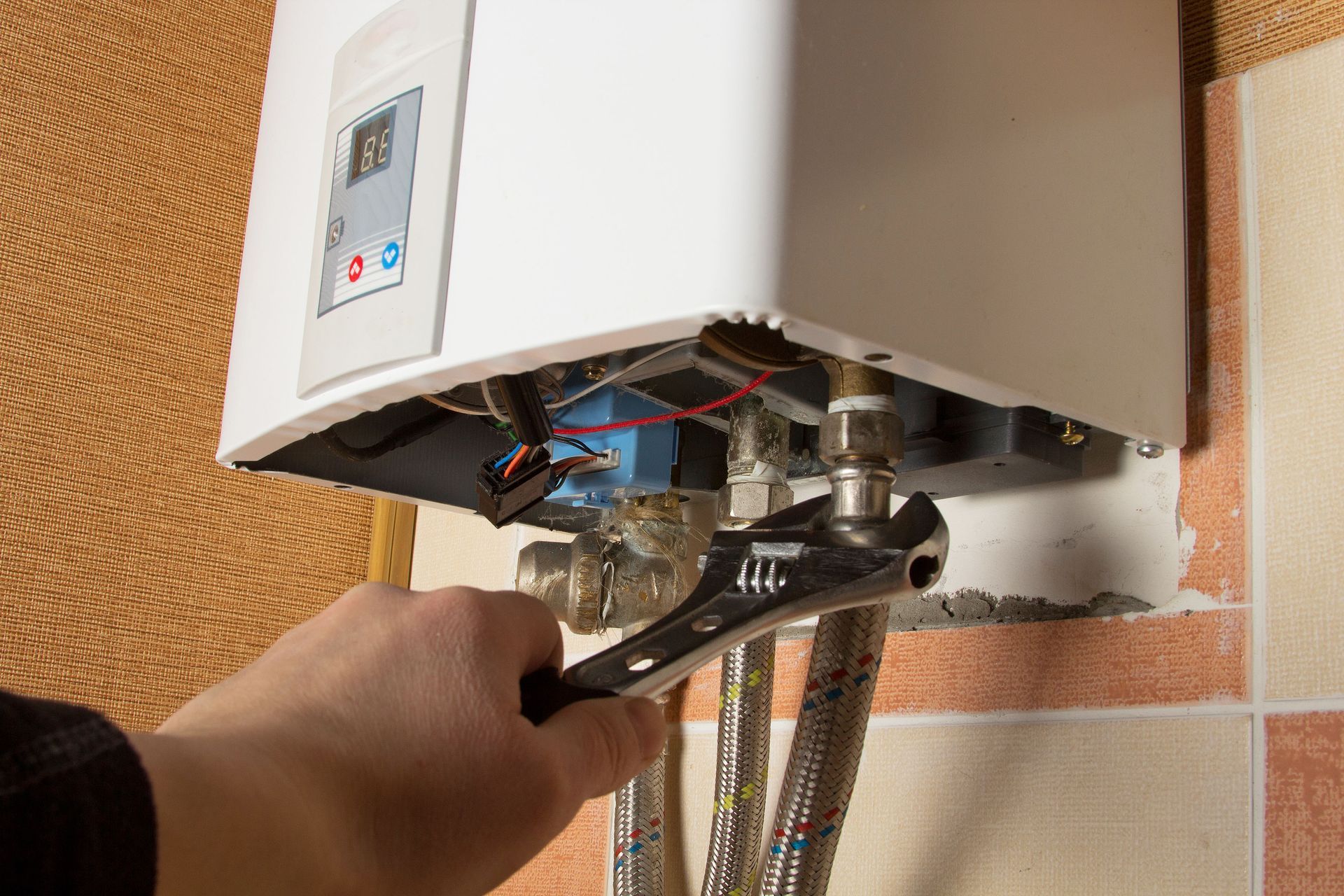
Water heaters require distinct attention due to their large storage capacities. Sediment accumulates at the bottom of the tank, causing the metal base to overheat and corrode. This deterioration leads to a sudden structural collapse, releasing enormous volumes of hot water into the home. Draining the tank each year removes this sediment and preserves the metal housing. Upkeep of the sacrificial anode rod further halts internal rust, prolonging appliance lifespan.
Upgrading supply lines constitutes a simple yet effective protective measure. Replacing standard rubber hoses with stainless steel braided varieties provides superior burst resistance. Steel encasements prevent the inner tubing from expanding and tearing under pressure. A knowledgeable plumbing company can outfit all water-bearing appliances with these reinforced lines. Such hardware upgrades offer immense protection against devastating and sudden appliance leaks, granting homeowners reassurance regarding their mechanized household equipment.
Regular monitoring of supply valves ensures they remain operable during crises. Property owners must verify that shutoff handles behind toilets and beneath sinks turn without excessive force. If an appliance begins to leak, seizing a rusted valve hinders the ability to stop the flow. Lubricating or replacing stiff valves guarantees a swift response during an incident. Operable controls are essential for immediate damage mitigation and for preventing minor leaks from spreading.
Diligent oversight transforms property ownership from a state of constant anxiety into a manageable endeavor. Water damage incurs devastating financial and emotional tolls when allowed to strike without warning. However, maintaining clear drains, inspecting lines, and upgrading appliance connections creates a strong defense. Partnering with a dedicated plumbing company cements this defensive strategy, ensuring professionals catch subtle flaws before catastrophic failures occur. Expert guidance is indispensable for preserving asset value. At Maverick Plumbing, we want to help you protect your property from devastating water damage through proactive care. Reach out to our plumbing company today to schedule your routine maintenance inspection before a hidden leak becomes a costly disaster.




Share On: