Is It Time to Repair Your Water Heater? Look for These Signs
Water heaters operate quietly in the background, delivering warm water for morning showers, dishwashing, and laundry routine tasks. Because these essential appliances are often tucked away in basements, closets, or utility rooms, homeowners rarely give them much thought until something goes wrong. A sudden loss of hot water disrupts daily life, creating immediate discomfort and inconvenience. Paying attention to subtle early warning signs helps property owners address minor operational mechanical issues before they escalate into catastrophic tank failures, severe home flooding, or costly property destruction.
Recognizing when your water heating system requires professional attention is crucial for maintaining household comfort, energy efficiency, and safety. Ignoring small performance changes often leads to bigger headaches down the road. By learning how to spot physical wear, unusual sounds, and fluctuating water temperatures, you can take proactive steps to restore your system. Scheduling timely service protects your home investment, extends the operational lifespan of your unit, and prevents emergency disruptions. Understanding key operational red flags empowers homeowners to make informed decisions regarding their household systems.
Monitoring Inconsistent Water Temperatures
Experiencing sudden blasts of cold water during a warm shower is a clear indication that your water heating system is struggling. When internal components begin to wear down, the unit loses its ability to maintain a steady, comfortable water temperature. Faulty heating elements, malfunctioning thermostats, or thick layers of sediment buildup at the bottom of the tank often prevent proper heat transfer. This thermal instability forces the system to work harder, consuming excessive energy while delivering unpredictable performance.
Addressing temperature fluctuations promptly prevents total system failure and restores consistent comfort across all household fixtures. Continuing to operate a struggling unit places unnecessary strain on internal wiring and plumbing connections, accelerating overall wear. Engaging qualified professionals for routine plumbing repairs ensures that faulty heating elements, worn thermostats, and internal electrical components are accurately diagnosed and replaced. Timely component adjustments keep your morning showers warm and protect your appliance from early mechanical burnout.
Identifying Strange Noises and Rumbling
Unusual sounds emanating from your utility closet should never be ignored. As water heaters age, minerals present in the local water supply naturally settle and harden at the base of the tank. Over time, this mineral buildup creates a dense, concrete-like layer of sediment. When the heating element activates, trapped water beneath the sediment layer boils, creating distinct popping, banging, or rumbling noises that resonate through your home's pipes.
Excessive sediment accumulation acts as an insulating barrier, preventing heat from transferring efficiently into the surrounding water. This causes the tank's metallic bottom to overheat, weakening the steel structure and causing internal fractures. Investing in professional maintenance and targeted plumbing repairs allows technicians to flush out hardened mineral deposits and inspect internal tank linings for thermal stress. Clearing out sediment buildup eliminates annoying noises, improves energy efficiency, and prevents structural tank failure.
Spotting Discolored or Rusty Water
Turning on a faucet and seeing brown, yellow, or reddish water flow from the tap is an alarming experience. Discolored hot water often indicates that internal tank components or supply pipes are corroding from within. Water heaters contain a protective sacrificial anode rod designed to attract corrosive elements and protect the steel tank lining. Once this protective rod depletes entirely, corrosive elements attack the tank walls, rusting the metal and contaminating your hot water supply.
Determining whether rust originates from the water heater or incoming main supply lines requires expert diagnostic evaluation. If discolored water appears exclusively when running the hot water tap, the appliance is almost certainly the culprit. Seeking timely plumbing repairs enables experienced technicians to replace depleted anode rods and clean contaminated lines before rust breaches the outer shell. Replacing worn protective parts early prevents structural leaks and preserves clean water quality throughout your home.
Detecting Unpleasant Smells and Odors
Clean water should always be completely odorless and clear. If running warm water produces a foul, rotten-egg smell, internal bacterial growth or chemical reactions are occurring inside your tank. Anaerobic bacteria thrive in warm, low-oxygen environments, reacting with magnesium or aluminum anode rods to create sulfur gas. This unpleasant odor makes bathing, cooking, and washing dishes deeply unappealing, impacting your overall home environment.
Resolving persistent water odors involves specialized tank sanitation and component replacement. Flushing the unit with professional-grade cleaning solutions eliminates bacterial colonies and removes stagnant organic matter. During diagnostic visits for household plumbing repairs, technicians can install alternative alloy anode rods that prevent sulfur gas reactions without compromising corrosion protection. Eliminating foul odors restores fresh, clean water to every tap in your house.
Checking for Water Leaks and Moisture
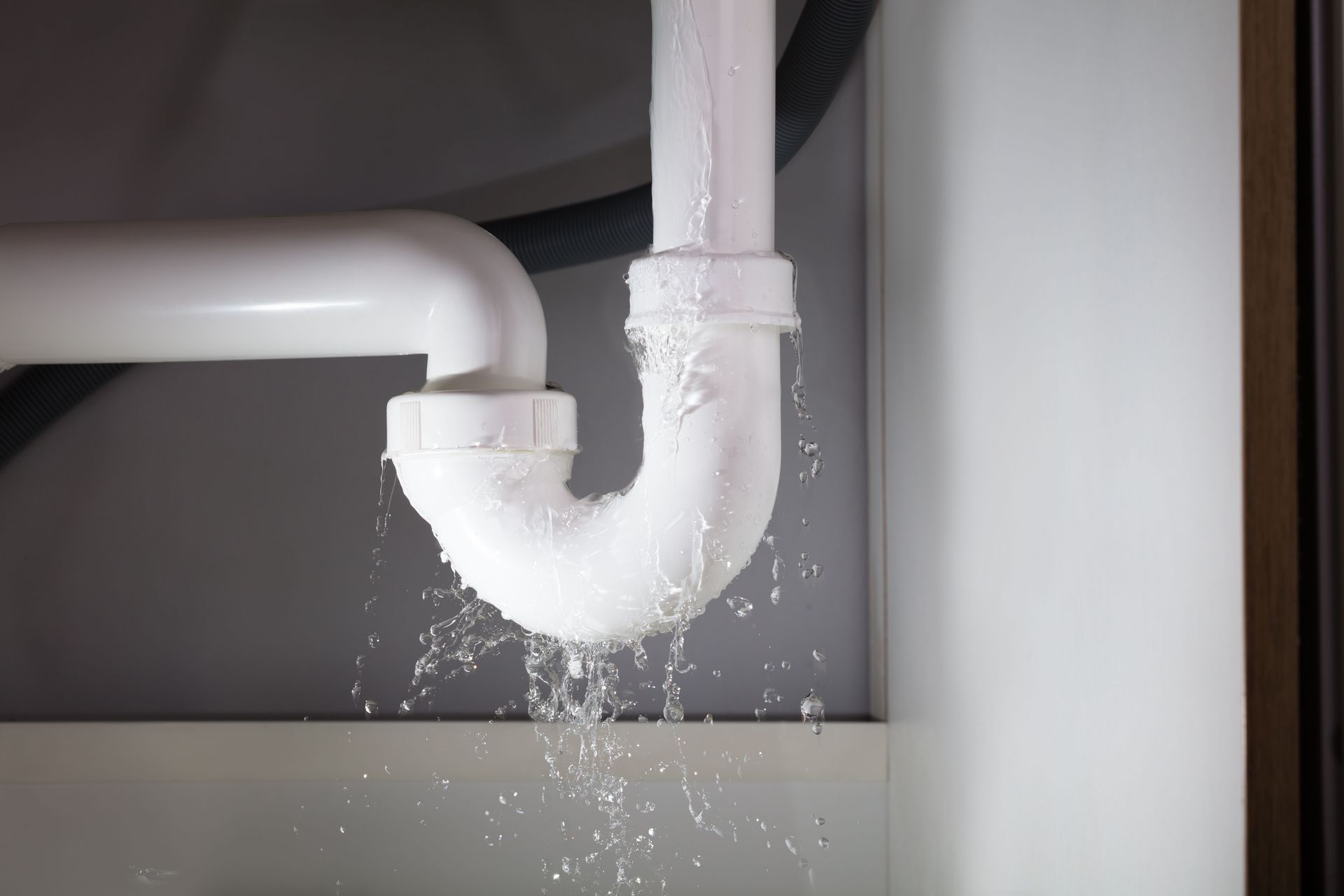
Unexplained pools of water, damp drywall, or standing moisture around the base of your appliance represent immediate red flags. Water leaks stem from various sources, including loose drain valves, worn pressure-relief valves, corroded fittings, or hairline cracks in the main tank. Even tiny pinhole leaks can quickly saturate subflooring, promote toxic mold growth, and cause structural wood rot throughout surrounding building materials.
Visual inspections of plumbing joints, valves, and surrounding flooring help catch moisture issues before severe water damage takes hold. While leaking fittings and faulty relief valves are easily replaceable, a cracked or rusted inner tank cannot be repaired and requires complete replacement. According to This Old House, tankless water heaters last about 20 years. Whether managing a traditional storage tank model or a modern tankless design, scheduling prompt plumbing repairs stops active leaks, protects building structures, and prevents unexpected basement flooding.
Evaluating Low Water Pressure Issues
A sudden drop in hot water pressure across kitchen and bathroom fixtures often points to internal blockages within your water heating system. Over time, heavy mineral scale, calcium deposits, and sediment fragmenting inside the tank enter the outgoing hot water pipes. These calcified mineral bits clog narrow pipe elbows, aerators, and mixing valves, restricting overall water flow and lowering output pressure throughout the property.
Restoring healthy water pressure requires clearing out restricted supply lines and inspecting internal plumbing connections. Ignoring pressure drops places excessive backpressure on the heating unit, increasing stress on pipe joints and flexible connectors. Scheduling comprehensive plumbing repairs allows skilled plumbers to descale internal components, clear blocked supply lines, and install water softening systems that prevent future mineral scale accumulation. Maintaining clear supply lines ensures strong, reliable water flow at every faucet.
Taking care of your water heating system is essential for maintaining household comfort, health, and property safety. By paying close attention to fluctuating temperatures, unusual rumbling sounds, discolored water, foul odors, visible moisture leaks, and restricted water flow, you can address mechanical issues early. Taking proactive maintenance measures prevents sudden emergency breakdowns, lowers monthly utility bills, and protects your home against costly structural water damage.
Ready to restore reliability, efficiency, and consistent warmth to your home's water supply? At Maverick Plumbing, our experienced team of certified professionals provides comprehensive diagnostics, expert maintenance, and reliable solutions tailored to your specific household needs. We understand how crucial a dependable hot water system is for your daily routines, and we take pride in delivering prompt, high-quality workmanship with every service call. Whether you are dealing with sudden temperature fluctuations, strange tank noises, or minor leaks, our knowledgeable plumbers perform thorough inspections to fix root issues quickly and effectively. We prioritize your comfort, home safety, and long-term satisfaction through transparent communication and dependable care. Contact us today to schedule your service appointment and keep your hot water flowing seamlessly!




Share On: