5 Simple Ways to Lower Your Water Bill This Month
A sudden spike in your monthly utility statement can throw off your entire household budget, yet the culprit is often hiding in plain sight. Most homeowners assume that rising water costs stem strictly from major appliance use or seasonal lawn care, but routine, unnoticed household waste is usually the true driver. Dripping faucets, aged fixtures, and minor line issues silently siphon away thousands of gallons each billing cycle without drawing attention. Lowering your utility expenses does not require a complete lifestyle overhaul or sacrificing daily comfort. Instead, adopting a handful of practical adjustments alongside timely inspections from dependable plumbing companies can yield noticeable cost reductions right away. With a few deliberate changes around your home, you can keep more money in your pocket while conserving an essential natural resource.
1. Inspect Silent Toilet Leaks
Toilets are among the greatest consumers of water in any modern residence. According to the EPA, toilets account for nearly 30% of an average American household's indoor water consumption, making fixture health essential for cost control. When a toilet develops an internal leak, it rarely produces a noisy flood or an obvious puddle on the bathroom floor. Instead, water seeps continuously from the tank past a worn rubber flapper into the bowl.
Testing for this hidden leak is straightforward and requires only common kitchen food coloring or a dark dye tablet. Simply remove the tank lid, place five to ten drops of coloring into the standing water, and replace the lid without flushing. Wait roughly 20 minutes, then check the water in the bowl. If the water has taken on the color of your dye, the internal seal has failed, and water is actively escaping down the drain. While swapping a deteriorated flapper is an accessible weekend task, persistent leaks often involve cracked overflow tubes, failing fill valves, or hidden hairline tank fractures. In these situations, reputable plumbing companies can perform an exact diagnostic evaluation to restore your toilet’s seal and stop constant water waste.
2. Swap Out Inefficient Showerheads
Taking a warm shower is an essential part of daily life, but older showerheads can consume an excessive amount of water. According to our experts, fixtures manufactured prior to modern conservation standards often pump out anywhere from 3.5 to 5 gallons of water every minute. By contrast, current high-efficiency fixtures deliver a satisfying shower stream while using no more than 1.5 to 2.0 gallons per minute.
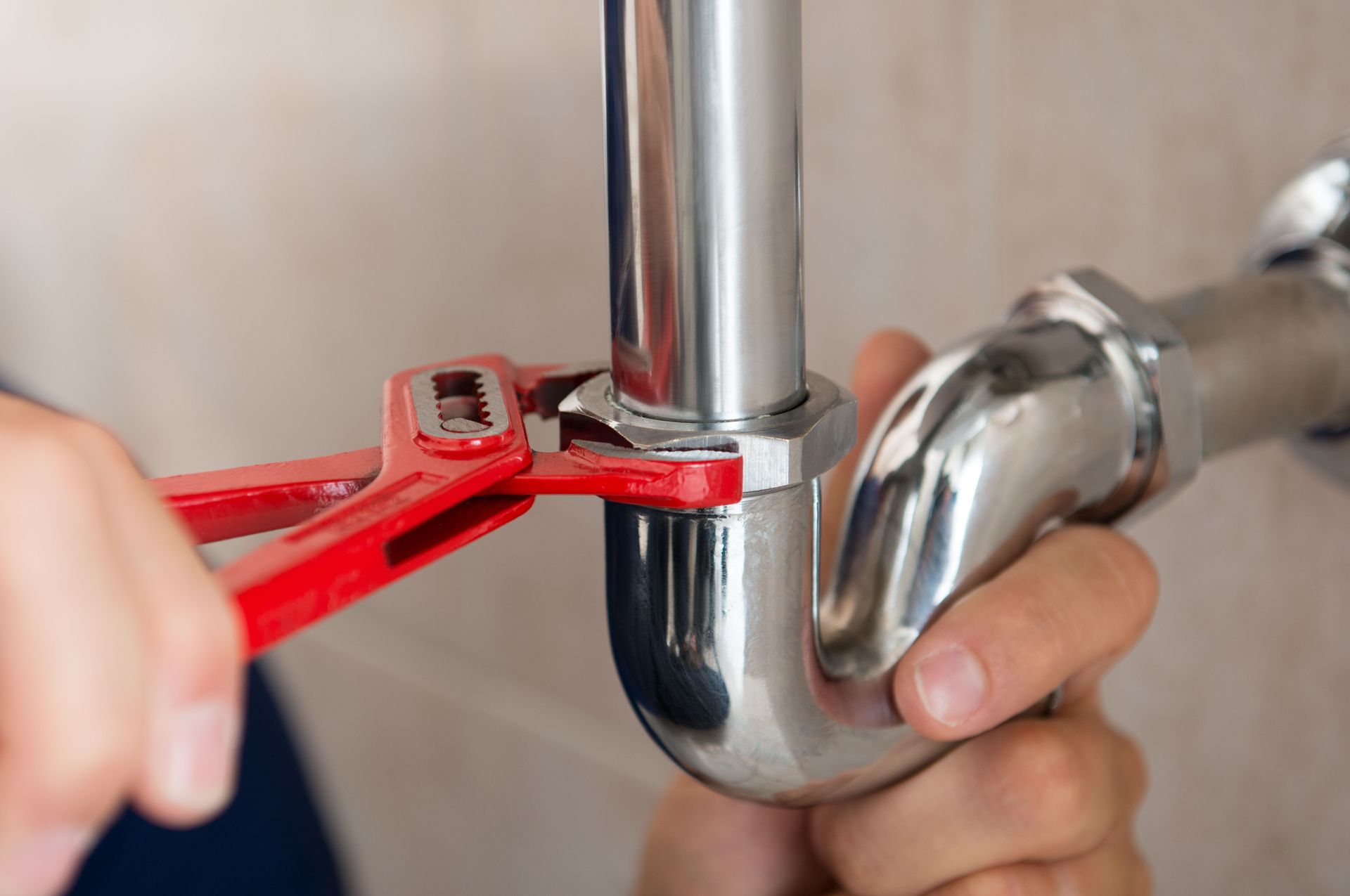
Making the upgrade is one of the quickest physical improvements you can make in your home. You only need an adjustable wrench, a roll of Teflon thread tape, and a clean cloth. Unscrew the outdated fixture counterclockwise, wipe away any mineral scale built up on the pipe threads, wrap three layers of fresh thread tape around the pipe, and screw on your new aerated head hand-tight. Furthermore, reducing hot water consumption lowers the operational demand placed on your water heater, delivering welcome savings on your electric or natural gas statement as well. If you have older plumbing with delicate pipe fittings, experienced plumbing companies can swap out these assemblies safely to prevent behind-the-wall joint leaks.
3. Shorten Daily Shower Routines
While fixture improvements curb your baseline usage automatically, day-to-day habits heavily dictate your end-of-month meter readings. We've found that extending a morning shower by just a few minutes can cause hundreds of gallons of treated water to wash down the drain over the course of thirty days. Introducing small conscious boundaries into your daily routine offers immediate financial relief without costing a single dollar upfront.
Try setting a waterproof digital timer on your shower shelf or timing your routine to a favorite four-minute song on your phone. Another proven technique for substantial conservation is the intermittent rinse method, often referred to as a "navy shower." Under this approach, you briefly run the water to get wet, switch the stream off while lathering body soap and shampoo, and turn it back on exclusively to rinse clean. If you notice that you leave the shower running for minutes before stepping in because your water takes an exceptionally long time to warm up, your system may be dealing with thermal distribution inefficiencies. In such cases, established plumbing companies can install dedicated recirculation loops or evaluate thermostatic balancing valves so your shower delivers hot water almost instantly.
4. Upgrade Faucet Aerators in Bathrooms and Kitchens
Faucets are used countless times each day for washing hands, brushing teeth, rinsing produce, and cleaning dishes. In our experience, standard sink spouts without flow restrictors can deliver between 2.2 and 3.0 gallons per minute, which is far more volume than necessary for basic washing tasks. Installing modern faucet aerators creates an effective physical barrier that moderates this output without making your sink feel weak.
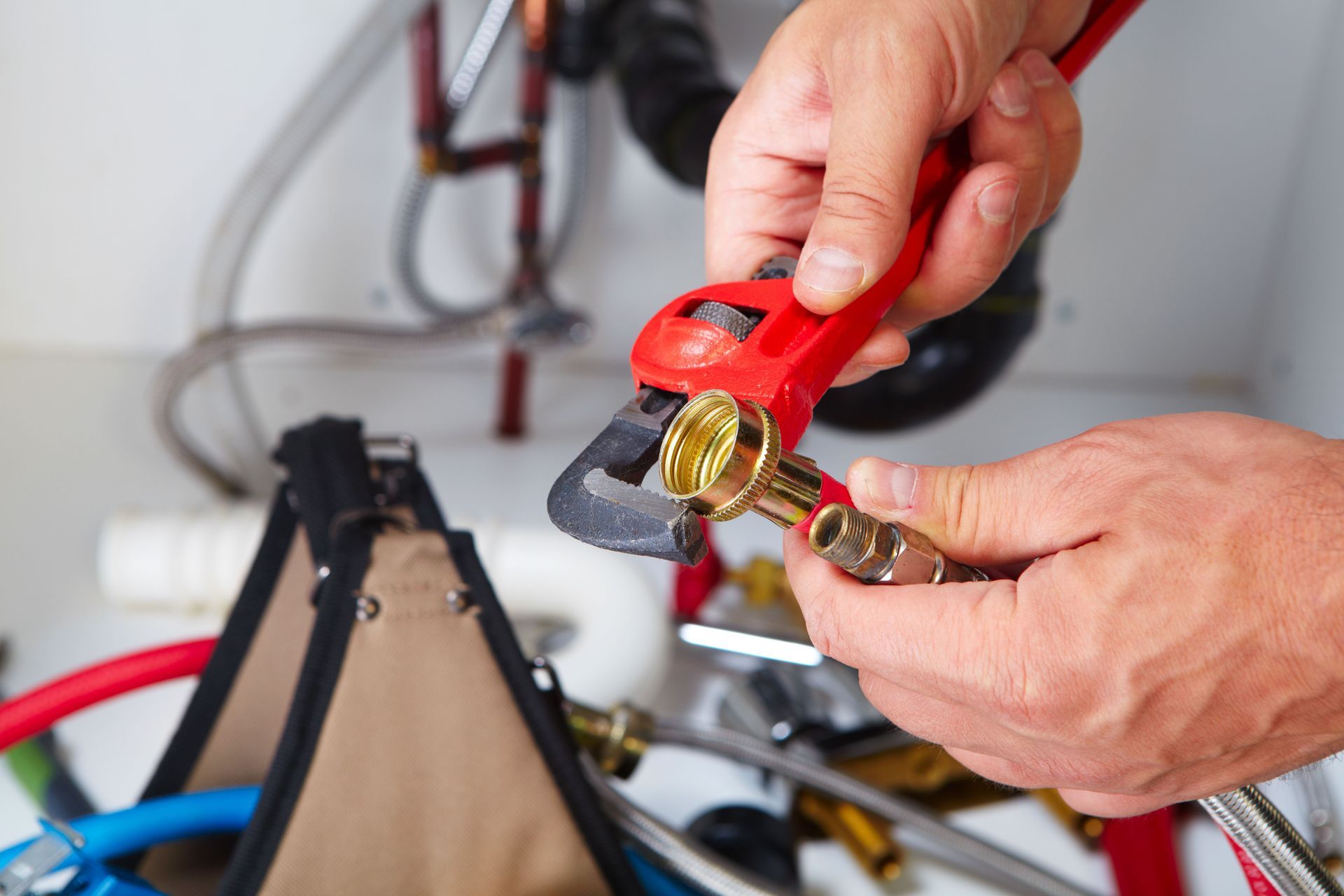
Aerators work by infusing tiny air bubbles directly into the outgoing water stream. This creates a wider, fuller stream of water that rinses soap away cleanly while reducing total fluid volume by half. Low-flow aerators rated between 0.5 and 1.0 gallons per minute are ideal for bathroom sinks, while 1.5-gallon-per-minute models work best for kitchen sinks where filling large pots remains a necessity. If your existing aerators are crusted with white calcium or lime deposits, soak them overnight in a small bowl of distilled white vinegar to dissolve the blockage. When aerator housings become seized onto older spouts due to corrosion, calling trusted plumbing companies prevents homeowners from accidentally twisting and damaging the delicate copper supply lines beneath the sink basin.
5. Install Outdoor Drip Irrigation
Outdoor landscape watering represents another major source of household utility bloat, especially during warmer months. Traditional oscillating sprinklers and broadcast spray heads lose a massive percentage of their output to wind drift, sidewalk runoff, and midday evaporation before water ever penetrates the roots of your plants.
Converting your garden beds, shrubs, and border plantings to a low-pressure drip irrigation system ensures water goes directly to the root zones where it does the most good. Drip emitter tubing and porous soaker hoses operate at a fraction of the pressure and volume required by conventional sprinklers. For the best results, set your watering schedule strictly for early morning hours before 8:00 AM or late in the evening after the sun has set. This practice allows moisture to seep deep into the soil structure without evaporating in the afternoon heat. To ensure outdoor lines comply with municipal water safety codes, residential plumbing companies can install backflow preventer valves, protecting your home’s potable drinking supply from stagnant outdoor garden water.
Trimming your monthly water bill is entirely achievable when you pair simple daily awareness with targeted fixture updates. Upgrading faucet aerators, fixing running toilets, and managing landscape irrigation immediately lower municipal meter readings while easing the workload on your water heating equipment. While basic maintenance tasks can easily be handled on your own, long-term savings depend on having a home plumbing infrastructure that is structurally sound and completely leak-free. Partnering with licensed
plumbing companies ensures that subtle slab leaks, hidden pipe fractures, and faulty pressure-reducing valves are caught and resolved before they cause severe structural damage.
Ready to stop watching your hard-earned money wash down the drain? Contact the team at Maverick Plumbing today to schedule a comprehensive whole-home plumbing inspection and leak detection audit. Let us help you eliminate hidden waste and keep your monthly utility costs consistently low!




Share On: